

How Do Startups Determine Their Fair Market Value for Funding Rounds?
Imagine you built a small lemonade stall in your neighborhood. Your friends want to invest money so you can buy a bigger stall, hire helpers, and sell more lemonade. But before they give you money, they will ask one important question:
“How much is your stall worth?”
This simple question is exactly what happens when a startup raises funding. Investors want to know the fair market value of the company before they invest their money. Let’s understand how startups figure this out in a simple way.
What Is Fair Market Value?
Fair market value means the price a company could reasonably be sold for in the market today. It is the amount that a buyer is willing to pay and a seller is willing to accept.
For startups, this value helps decide:
- How much ownership investors get
- How much money the startup can raise
- The overall financial health of the company
This process is known as Valuation Business, and it plays a very important role in the startup ecosystem.

Why Valuation Matters in Funding Rounds
When startups raise funds, they usually offer shares of the company to investors. For example:
If a startup is valued at ₹10 crore and raises ₹1 crore, investors may receive 10% ownership. If the valuation is wrong, two things can happen:
- The founder may give away too much ownership
- Investors may pay more than the company is worth
That’s why professional Valuation in India has become an essential part of startup fundraising.
How Startups Determine Their Value
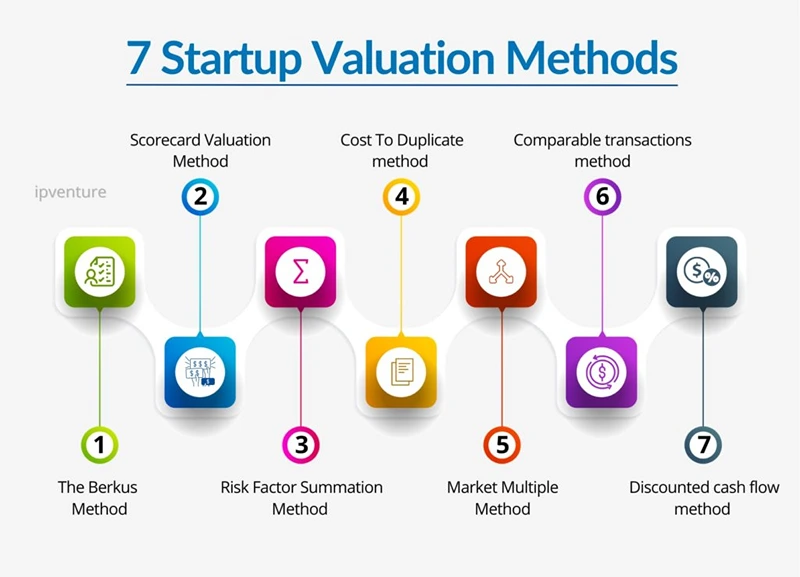
Startups do not just guess their value. They use different methods used by experts in the Valuation Business. Here are some of the most common ways.
1. Market Comparison Method
In this method, startups compare themselves with similar companies in the market.
For example:
If another startup in the same industry raised funding at a certain valuation, investors may use that as a reference.
Things compared include:
- Industry type
- Revenue growth
- Customer base
- Technology or innovation
This method is similar to how people compare house prices in the same neighborhood.
2. Future Earnings Potential
Sometimes startups are new and may not have large profits yet. In such cases, investors focus on future potential. They look at:
- Expected future revenue
- Growth rate
- Market demand
- Business scalability
If investors believe the startup can grow quickly, the valuation may be higher.
3. Cost of Building the Startup
Another approach is calculating how much money has already been invested to build the business.
This may include:
- Product development
- Technology
- Team salaries
- Research and development
While this method gives a base value, investors usually care more about future potential than past spending.
4. Discounted Cash Flow (DCF)
This is a more technical method used by professional valuation experts. DCF estimates:
- Future cash flow of the startup
- The present value of that money today
This helps determine the true financial value of the company. Professional firms specializing in Valuation in India often use this method when preparing formal valuation reports.
Factors That Influence Startup Valuation
Several factors can affect the fair market value of a startup.
Strong Business Idea
A unique or innovative idea increases investor confidence.
Market Size
If the startup operates in a large and growing market, its valuation increases.
Team Experience
Experienced founders with industry knowledge attract higher valuations.
Revenue Growth
Even early revenue growth can significantly boost startup value.
Competitive Advantage
Patents, technology, or strong branding make a company more valuable.
The Role of Professional Valuation Experts
Determining startup value is not always simple. That’s why many companies work with professional experts in the Valuation Business.
These experts:
- Analyze financial data
- Study market conditions
- Prepare professional valuation reports
- Ensure compliance with regulatory standards
Professional valuation is especially important for investor negotiations, mergers, acquisitions, and regulatory filings.
How ValuGenius Helps Startups
This is where ValuGenius makes the process easier and more reliable.
ValuGenius specializes in startup valuation, financial analysis, and strategic financial planning. Their expert team helps founders understand the real worth of their business before entering funding discussions. As one of the trusted financial planning companies in Mumbai, ValuGenius supports startups with:
- Startup valuation reports
- Investor-ready financial analysis
- Funding strategy support
- Business valuation consulting
- Financial planning guidance
By combining financial expertise with deep market understanding, ValuGenius ensures startups receive accurate and credible valuations.
Final Thoughts
Determining the fair market value of a startup may seem complicated, but at its core, it is about understanding how much the business is worth today and how much it could grow tomorrow.
With the right valuation methods, expert guidance, and strong financial planning, startups can confidently approach investors and secure the funding they need to grow.
If you are a founder preparing for your next funding round, working with experienced professionals like ValuGenius can make the entire valuation process clearer, smoother, and more reliable.